Running ads on Facebook without verifying your business feels like driving without a seatbelt. Nothing bad happens most days. Then one day something does, and you wish you'd buckled up. Verification isn't a bureaucratic hoop. It's a foundation.
What Verification Actually Does
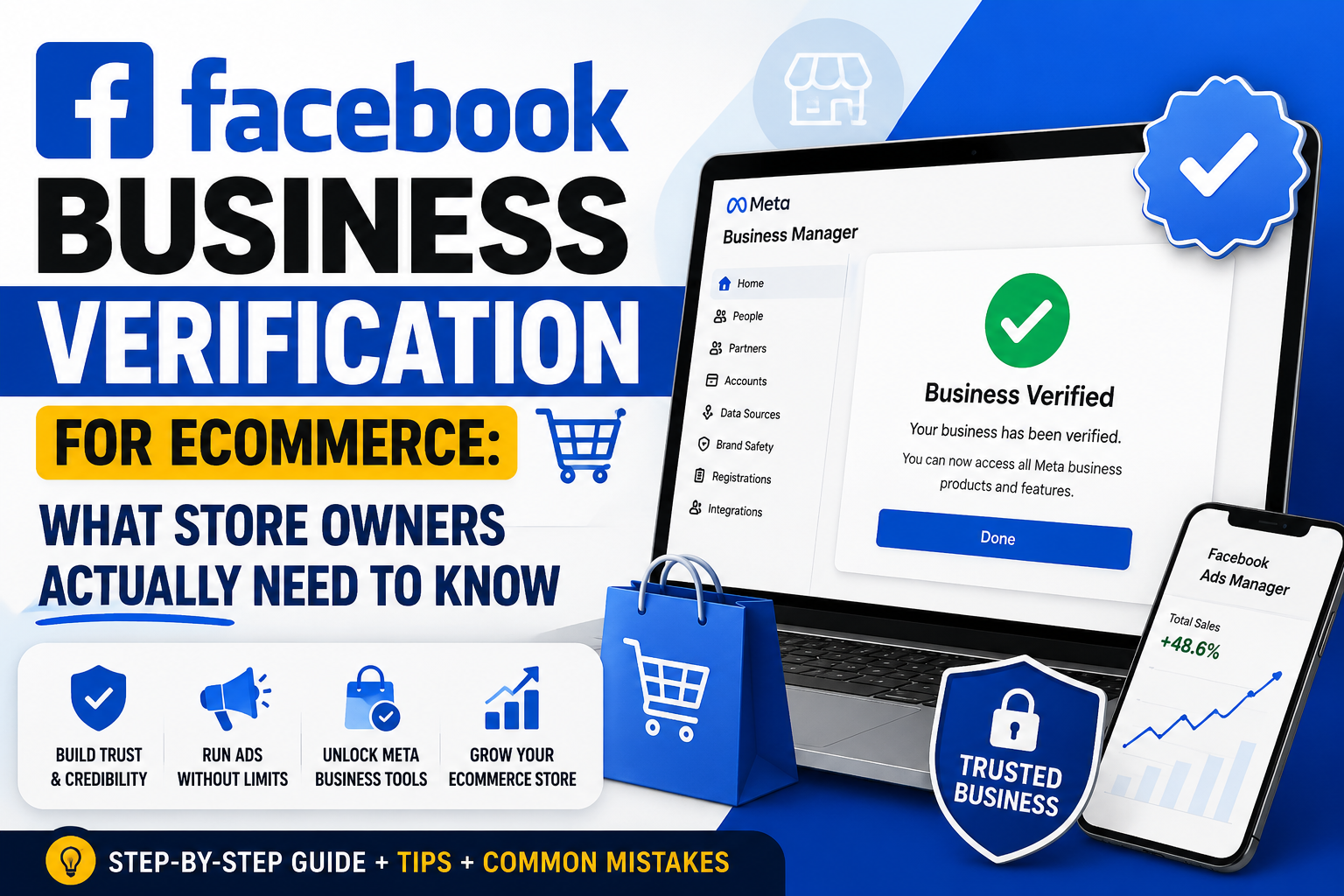
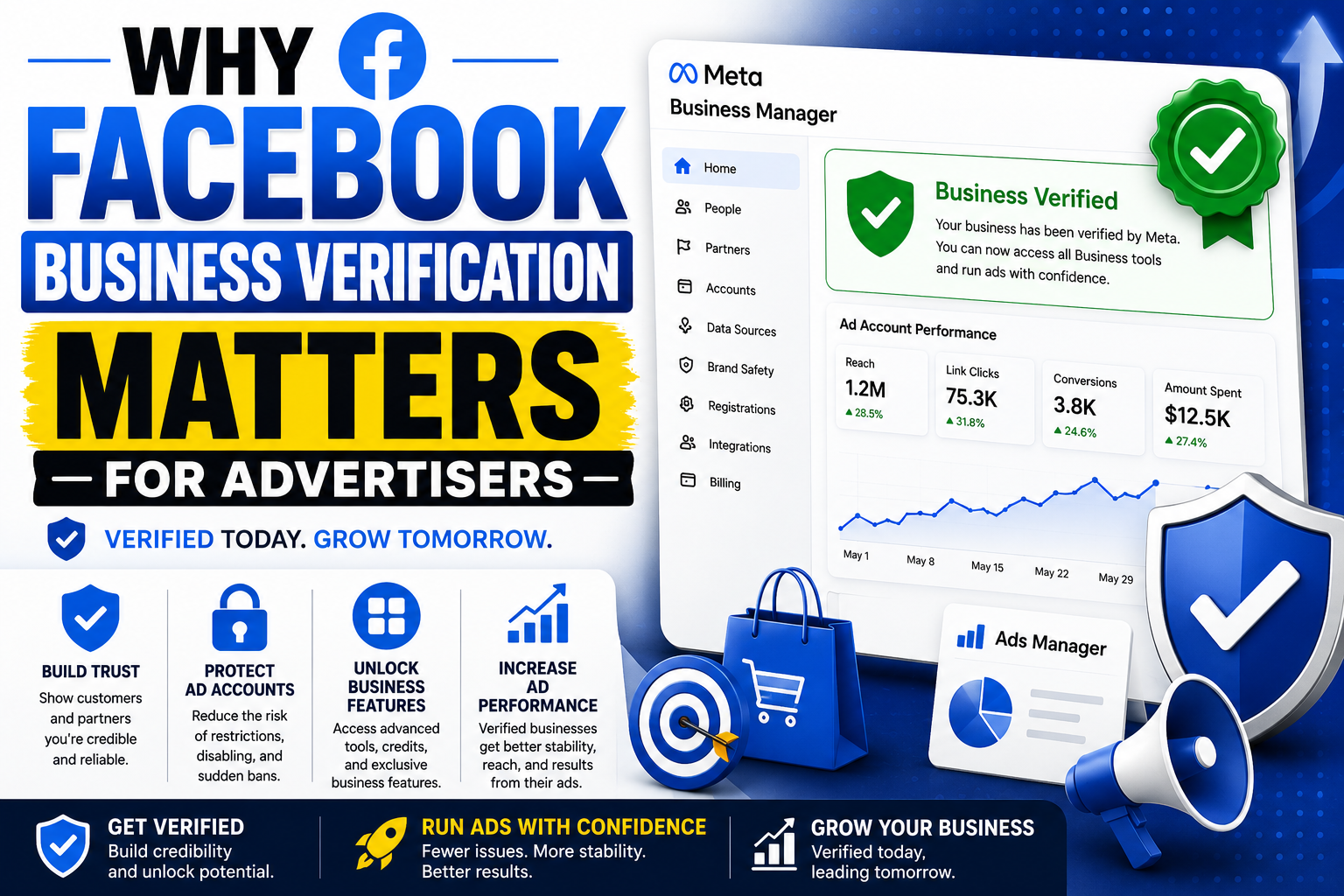
Meta's verification process confirms your business is real, legally registered, and operated by someone with authority over it. You submit documents: a registration certificate, a tax ID, maybe a utility bill tied to the business address. Meta cross-checks these against public records. Once approved, a small badge or status marker appears on your Business Manager account.
Sounds simple, right? It mostly is. Yet plenty of advertisers skip this step, either out of laziness or ignorance regarding its downstream effects. That's a costly gamble.
Trust Signals Compound
Ad platforms run on trust signals, whether we like admitting it or not. An unverified account looks, from Meta's algorithmic perspective, indistinguishable from a scam operation setting up shop for a quick smash-and-grab campaign. Verified accounts get treated differently. Reviewers approve creative faster. Support tickets get resolved with less friction. Account restrictions, when they happen, come with clearer paths toward resolution rather than a vague appeals black hole.
Consider two advertisers launching identical campaigns tomorrow morning. One's verified; one isn't. The verified advertiser's ads clear review within hours typically. The unverified advertiser waits, sometimes days, wondering if their account got flagged for something totally unrelated to actual policy violations.
Access to Advanced Features
Certain Meta advertising tools sit behind a verification wall entirely. Want to run political or social-issue ads? Verification's mandatory, full stop. Need access to Advantage+ audience expansions at scale, or want higher API rate limits for programmatic buying? Verified businesses get priority.
Custom audience matching, especially involving sensitive categories like housing, employment, or credit, also demands verified status under Meta's Special Ad Category rules. Skip verification and you'll hit a wall precisely when you need these tools most: during a big product launch or a time-sensitive promotion.
Protecting Against Impersonation
Here's an angle many advertisers overlook. Verification protects your brand from impersonators nearly as much as it protects Meta's ecosystem. Once verified, nobody can spin up a rogue Page mimicking your business and running fraudulent ads under your company's good name, at least not without triggering red flags fast.
Unverified brands, conversely, are sitting ducks. Scammers routinely clone small business Pages, slap on a near-identical logo, then run ads pushing fake discounts or phishing links. Customers get burned; your reputation absorbs the damage regardless of fault. Verification acts as a moat, however imperfect, against this exact scenario.
Smoother Account Recovery
Ad accounts get disabled sometimes, unfairly or otherwise. Maybe an automated system misread a policy violation. Maybe a competitor mass-reported your Page out of spite. Whatever the cause, recovery becomes dramatically easier once Meta already has verified proof you're a legitimate operator.
Unverified advertisers facing suspension often describe the appeals process as shouting into a void. Tickets languish. Automated responses loop endlessly without human review. Verified businesses, by contrast, tend to reach actual support staff faster, partly because Meta's already confirmed there's a real entity behind the account worth investigating properly.
Building Long-Term Ad Account Stability
Think of verification as insurance against future headaches rather than a one-time chore. Meta periodically tightens policy enforcement, rolls out new compliance requirements, or launches fresh crackdowns on fraudulent advertisers. Verified accounts generally weather these waves with fewer disruptions.
Unverified accounts, meanwhile, sit squarely in the blast radius whenever Meta decides to sweep for suspicious activity. Getting caught in a mass suspension wave, even wrongly, can freeze ad spend for weeks while you scramble through appeal after appeal.
A Quick Word on Setup
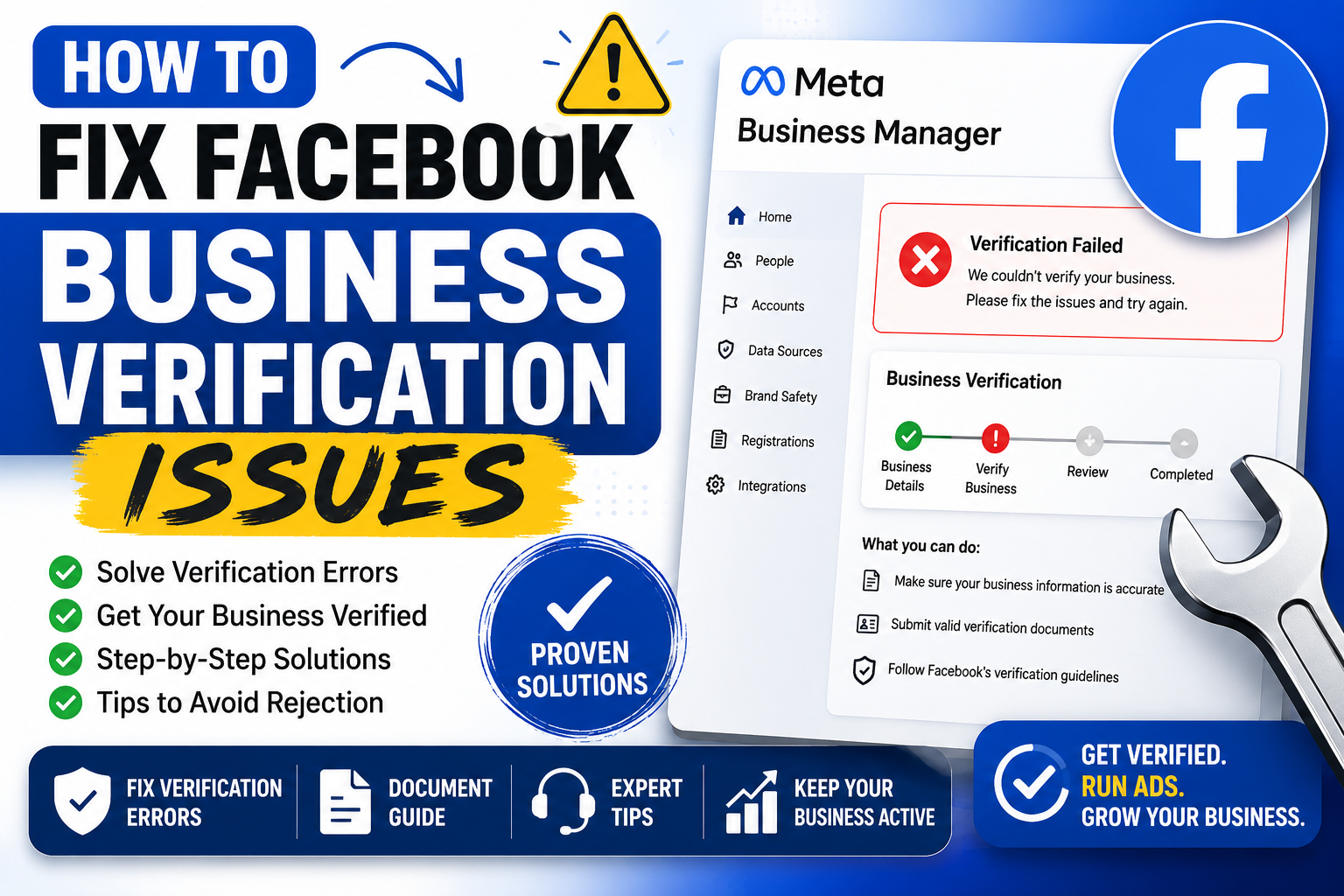
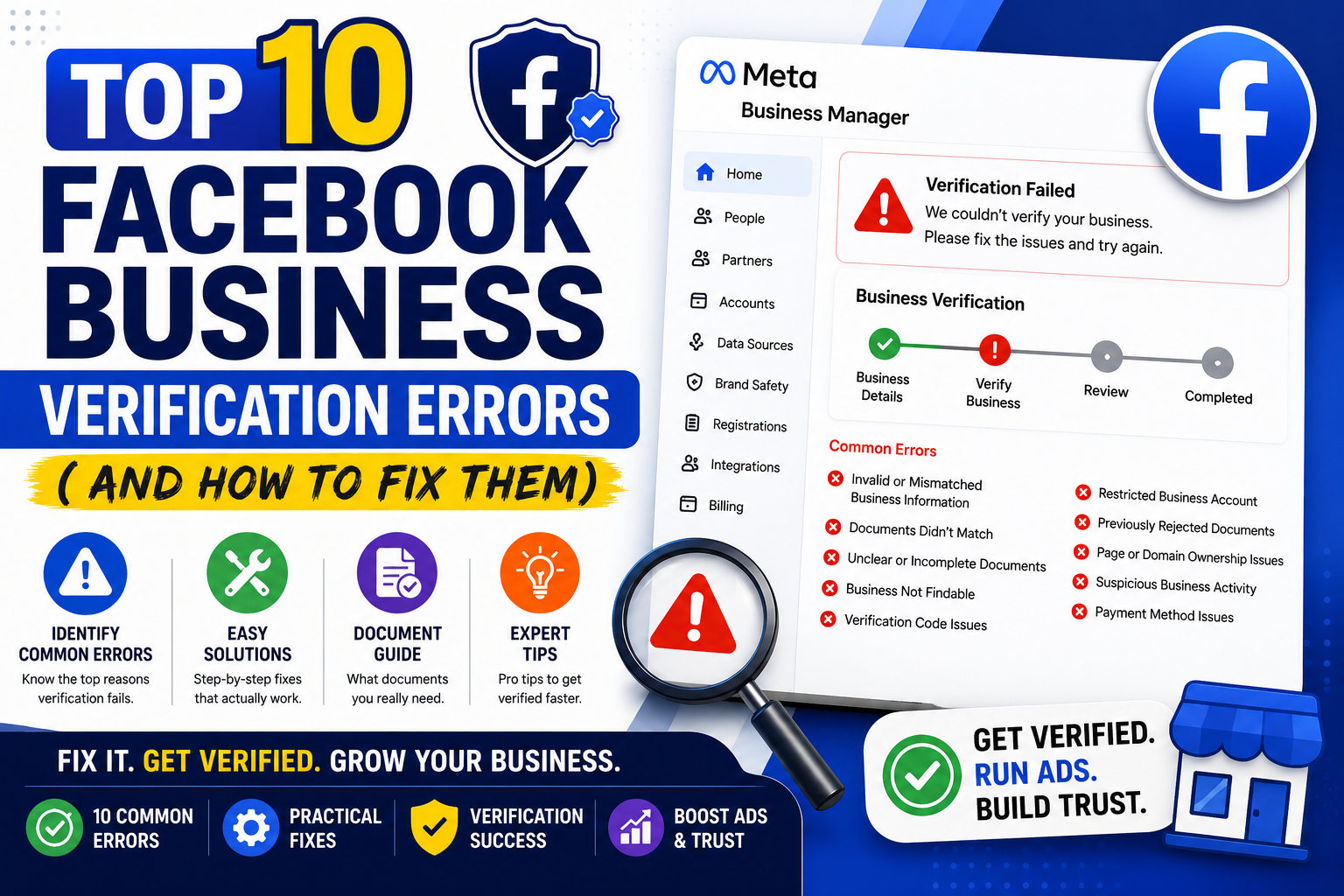
Getting verified isn't instant, so plan accordingly. Gather your legal business documents beforehand: registration papers, an official address proof, and tax identification numbers matching your business name exactly. Mismatches between your Business Manager details and submitted documents cause most rejections. Double-check everything lines up letter for letter before hitting submit.
Processing typically takes anywhere from a few days up to several weeks, depending on document clarity and regional backlogs. Larger agencies managing multiple client accounts should budget extra lead time, particularly before major campaign launches tied to holidays or product releases.
The Bottom Line
Verification won't magically fix a poorly targeted campaign or salvage weak creative. It's not a silver bullet. What it does provide is structural stability: faster reviews, fewer false suspensions, broader tool access, and a layer of brand protection against impersonators.
Advertisers treating verification as optional are essentially betting their entire ad operation against Meta's ever-shifting enforcement algorithms. Sooner or later, unverified accounts hit friction that verified ones simply glide past. Given how quickly ad accounts can get disrupted these days, verification looks less like paperwork and more like basic due diligence.